Specialized Therapists in SPD & Hypersensitivity
Our Pediatric OT staff hold advanced training in OT for hypersensitivity, vestibular rehabilitation, and DIR/Floortime approaches. We translate the latest research into kid-friendly play.

Play-based children’s sensory therapy that helps your child feel calm, focused, and regulated.
We evaluate proprioceptive, vestibular, tactile, visual, and auditory processing to pinpoint exact triggers and strengths.
Your therapist designs a daily menu of activities, from weighted hugs to movement breaks, that calms hypersensitivity and boosts regulation.
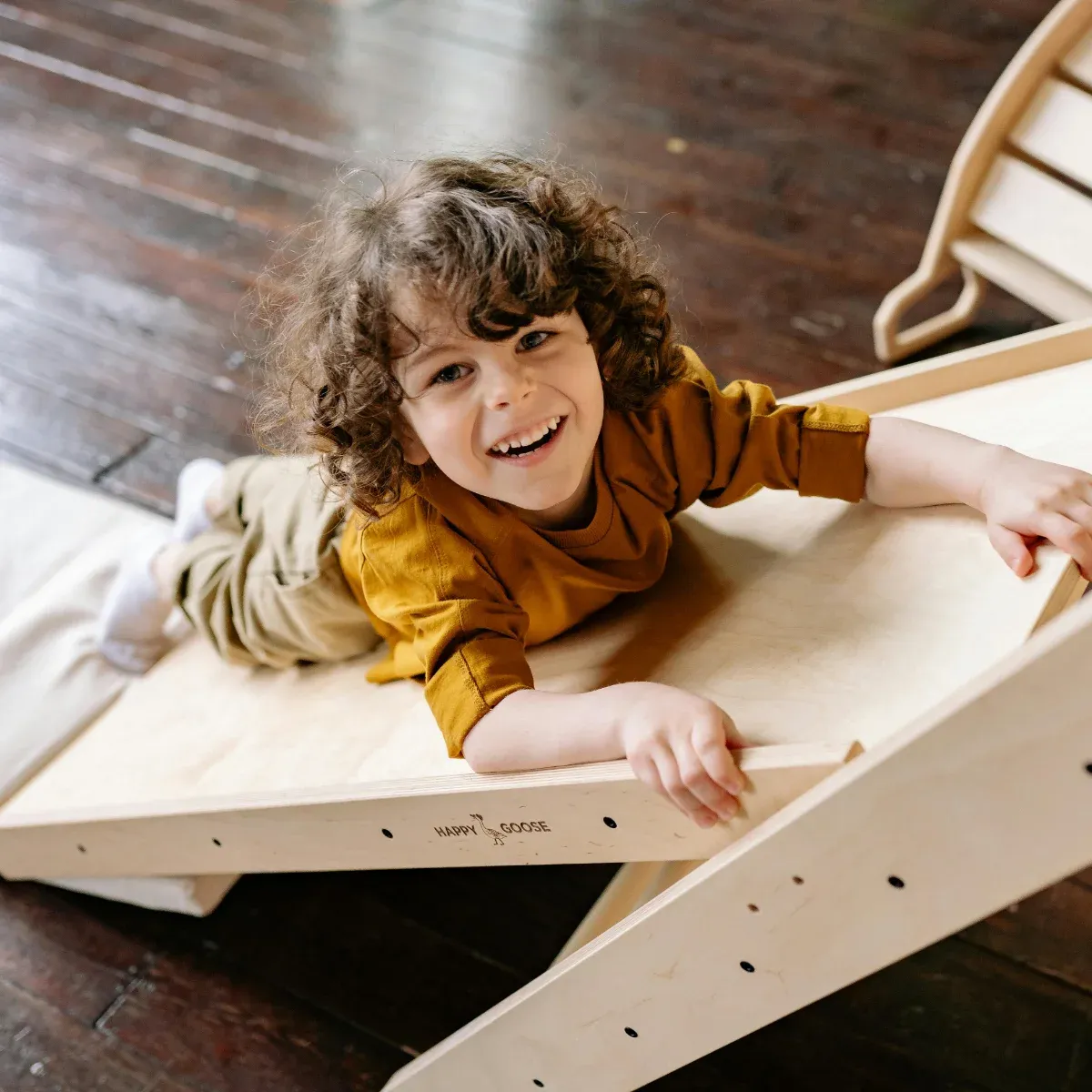
Through obstacle courses, swings, crash pads, and messy-play stations, we gently challenge the nervous system while keeping sessions joyful.
Simple routines, equipment recommendations, and progress check-ins ensure carry-over beyond the clinic.
Our Pediatric OT staff hold advanced training in OT for hypersensitivity, vestibular rehabilitation, and DIR/Floortime approaches. We translate the latest research into kid-friendly play.
From rotary swings to scooter boards, targeted vestibular input boosts balance, coordination, and body awareness – all while feeling like recess.
We communicate with pediatricians, teachers, and other therapists so everyone works from the same sensory plan, and celebrates the same wins.
We take pride in the positive impact we make in children’s lives. Here’s what families from south Florida have to say about their experiences with our services.
We are proud to partner with major insurance providers and scholarship programs to help families access the care they need.
Simply provide us with your insurance details, and we will contact your provider to find out exactly what is covered, including your co-pay or deductible, before your first visit.
Most insurance plans require a formal referral or prescription from a pediatrician to cover occupational therapy. We can coordinate with your doctor’s office to help secure the necessary paperwork once we begin the evaluation process.
OTogether is a registered provider for the Step Up For Students (FES-UA) scholarship. Our team is experienced with the billing portal and will guide you through the process to ensure your child receives the care they need.
Get to know the dedicated specialists who turn challenges into triumphs. Our team brings professional skill and personal compassion to every session.
When a child’s nervous system struggles to process information from the world around them, daily life can feel like a constant battle.
Whether they are over-responsive to noise, under-responsive to movement, or struggling with focus, our specialized OT for sensory issues provides a clear, evidence-based path toward progress.
At OTogether, we provide comprehensive SPD treatment (Sensory Processing Disorder) designed to help children understand their bodies, manage sensory overload, and thrive in school and at home.
Who we help:
If any of these sound familiar, our personalized occupational therapy plan can help your child.
SPD treatment (Sensory Processing Disorder treatment) is a specialized form of occupational therapy that helps the brain and body better organize sensory information. Through “just-right” challenges in a sensory-rich environment, we help children improve their responses to touch, sound, and movement.
If your child has “big” reactions to everyday things – like hair brushing, loud noises, or certain clothing – or if they seem constantly distracted and unable to sit still, a sensory processing evaluation is the best first step. It provides a roadmap to understand if these behaviors are sensory-based.
Yes. While ADHD and SPD are different, they often overlap. Sensory therapy for ADHD focuses on helping the child reach an optimal state of arousal, which directly improves their ability to focus, follow directions, and manage transitions.
Sensory overload treatment involves both “in-the-moment” strategies to calm the nervous system and long-term desensitization. We work on building a “sensory diet” that includes heavy work and calming vestibular input to prevent the “fight or flight” response associated with overload.
Absolutely. Vestibular OT is a core part of our practice. We use specialized swings and movement activities to stimulate the inner ear, which helps children who struggle with balance, coordination, or a constant need to spin and jump.
Thank you! Your request has been received. We'll connect with you soon.